
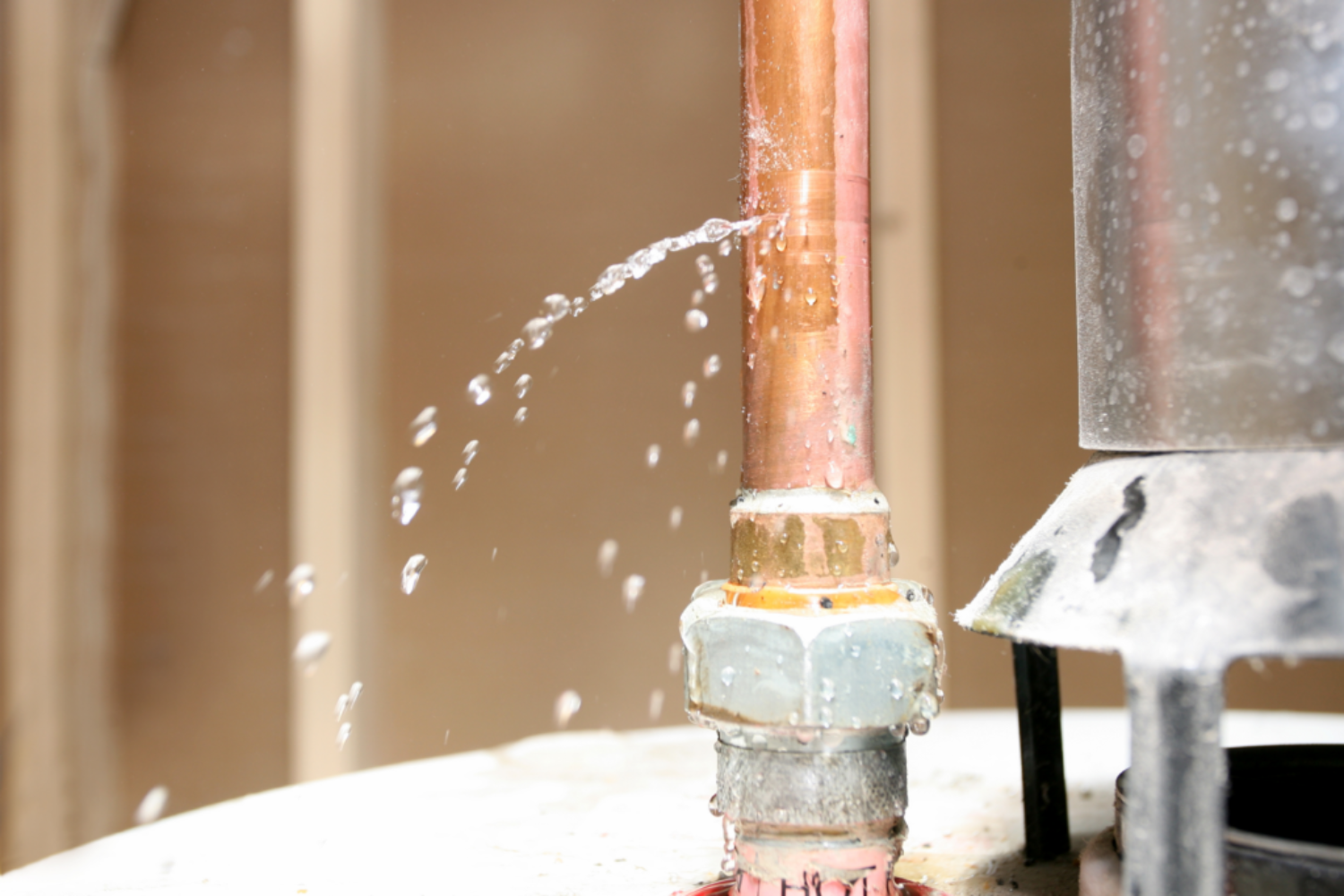
FLORIDA – In the humid climate of Jacksonville, a small bathroom leak isn’t just a nuisance—it’s an invitation for black mold and structural rot. Water is patient; it can drip behind your tiles for months before you notice a soft spot in the drywall or a stain on the ceiling below. As a journalist who has covered countless home renovation disasters, I know that early detection is the only way to save thousands in repair costs.
Before you call in the heavy machinery, here are the professional-grade “home hacks” to determine if your bathtub, vanity, or sink is actually leaking.
1. The “Overnight Static” Bathtub Test
This is the most reliable way to see if your tub’s basin or drain assembly has a hairline crack.
-
The Process: Fill your bathtub with water to about three-quarters full. Use a piece of waterproof tape or a grease pencil to mark the exact water level.
-
The Wait: Leave it overnight. Do not let anyone use the bathroom.
-
The Result: Check the level in the morning. If the water has dropped below your mark, you have a leak. If the floor around the tub is dry, the leak is likely in the drain plumbing or the “overflow” gasket.
2. The Vanity and Sink “Flood Test”
Sometimes the leak isn’t in the pipes, but in the seal of the sink itself.
-
The Process: Plug your bathroom sink or vanity completely. Fill it to the very brim—right up to the overflow hole.
-
The Observation: While the sink is full, take a flashlight and look underneath the cabinet. Check the “P-trap” and the connection where the drain meets the sink basin.
-
The Release: Pull the plug and watch the water drain rapidly. Often, leaks only appear under the pressure of a full volume of water rushing through the pipes.
3. The “Dry Paper” Technique
Water can be hard to see on dark wood or tile.
-
The Trick: Lay down several sheets of dry paper towels inside your vanity cabinet or around the base of the tub.
-
The Test: Run the water for 5 minutes. If you see even a single “wrinkle” or damp spot on the paper towel, you’ve pinpointed the drip location.
4. Checking the Shower Diverter
If you only see water when the shower is on, the leak is likely behind the wall.
-
The Test: Turn on the shower and point the showerhead away from the wall. If water starts trickling out from behind the handle escutcheon (the metal plate on the wall), your internal cartridge or diverter is failing.
Don’t Let a Drip Turn Into a Flood!
If you performed these tests and found a “bote” (leak), don’t wait for the ceiling to fall. A small leak today is a major construction project tomorrow.
SPECIAL OFFER FOR JACKSONVILLE RESIDENTS: If you are in the Jacksonville area and discovered a leak using these techniques, call us right now for a professional repair. Mention this article to receive an exclusive 10% discount on your repair service.
Notes from the Author:
-
Pro-Tip: If you live in a two-story home, the first sign of a bathtub leak is often a bubbling “blister” in the paint on the ceiling directly below the bathroom. Never poke it with your finger unless you want a face full of gray water!
-
Warning: If you see water coming out of electrical outlets or light fixtures below the bathroom, turn off your main breaker immediately and call a professional.
Is your water bill higher than usual? Have you noticed a musty smell in your master bath? Let’s get it fixed before the Florida summer heat turns that moisture into a mold nightmare!