
FLORIDA – In the bustling construction landscape of 2026, the choice between hiring a General Contractor (GC) and a Handyman isn’t just about the price tag—it’s about the level of protection you have under Florida law. As a seasoned journalist covering the industry, I see homeowners and developers make the mistake of comparing these two as if they were equal. In reality, they operate in completely different leagues of the construction world.
Before you sign a contract or hand over a deposit, you must understand these five fundamental differences that could save your project—and your wallet.
1. The Scope of Authority (Technical & Legal)
The most significant difference is what they are legally allowed to do.
-
General Contractor: A GC is licensed by the State of Florida (DBPR) to perform structural work, manage multiple trades, and oversee entire building projects. They can pull permits for anything from a new roof to a full home addition.
-
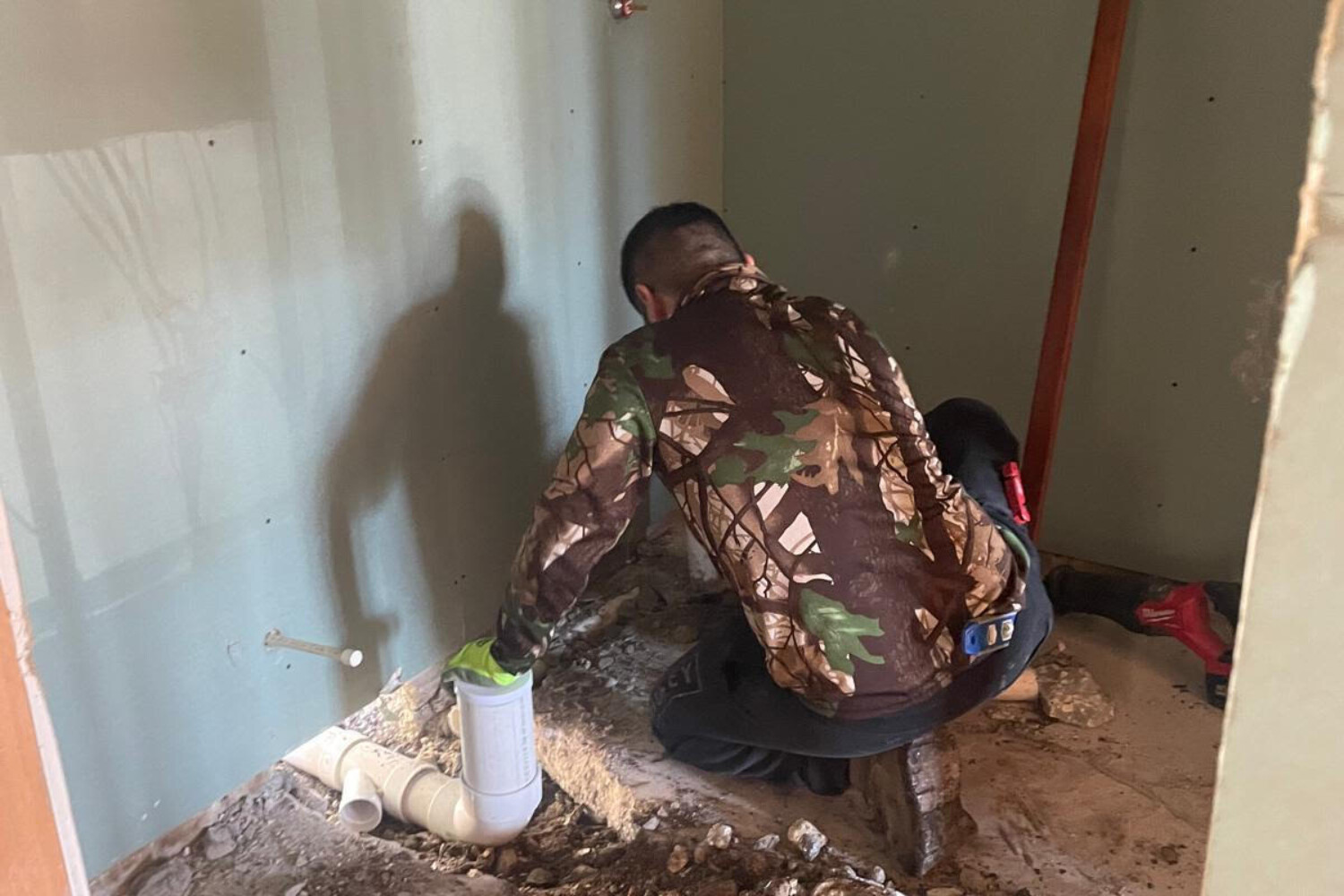
Handyman: Typically, a handyman is restricted to “non-structural” and “cosmetic” repairs. In many Florida counties, they cannot legally touch plumbing, electrical, or structural walls, and they are often limited to jobs under a specific dollar amount (usually $500 to $1,000 depending on local ordinances).
2. Licensing and Education Requirements (Administrative)
Becoming a GC in Florida is a grueling process.
-
General Contractor: Requires years of documented field experience, a high-level financial standing (credit reports), and passing a rigorous multi-day state exam. They are also required to complete Continuing Education (CE) every two years.
-
Handyman: Most handymen only hold a local Business Tax Receipt. There is no state-mandated exam or experience requirement to call yourself a handyman. This means you are essentially betting on their personal reputation rather than a state-verified skill set.
3. Insurance and Liability Protection (Legal)
This is where the risk becomes real for the property owner.
-
General Contractor: A GC is required by law to carry high-limit General Liability and Workers’ Compensationinsurance. If a worker falls off a ladder on your property, the GC’s insurance pays, not yours.
-
Handyman: Many handymen operate as “exempt” or carry no insurance at all. If an uninsured handyman gets injured on your roof, you—the homeowner—could be held liable for their medical bills and lost wages under Florida’s premises liability laws.
4. Permitting and Inspections (Administrative)
If a job requires a permit, a handyman is usually out of the game.
-
General Contractor: GCs have the credentials to “pull” permits with the building department. This ensures that a city inspector will visit the site to verify that the work meets the 2026 Florida Building Code.
-
Handyman: A handyman cannot pull structural permits. If they perform work that requires a permit without one, the city can fine you, force you to tear the work down, and you will have a “cloud” on your property title when you try to sell.
5. Project Management and Warranty (Technical)
-
General Contractor: GCs act as project managers. They coordinate sub-contractors (plumbers, electricians), manage timelines, and provide a comprehensive warranty for the entire project. They are the “single point of contact” for accountability.
-
Handyman: Usually works alone or with a small helper. While great for fixing a leaky faucet or painting a room, they lack the infrastructure to manage complex schedules. Their warranty is often just a verbal “I’ll come back if it breaks,” which can be hard to enforce.
Notes from the Author:
-
The “Unlicensed Activity” Trap: In Florida, hiring an unlicensed contractor for work that requires a license can result in a $5,000 fine for the homeowner. Always verify a license at myfloridalicense.com.
-
Pro-Tip: If the project involves moving a wall, changing a window, or touching a breaker box, you must hire a GC or a licensed specialty contractor. Save the handyman for the “honey-do” list.
The bitterness of poor quality (or a legal lawsuit) remains long after the sweetness of a low price is forgotten. Are you planning a renovation? Tell us in the comments if you’ve ever had a “handyman headache”!