
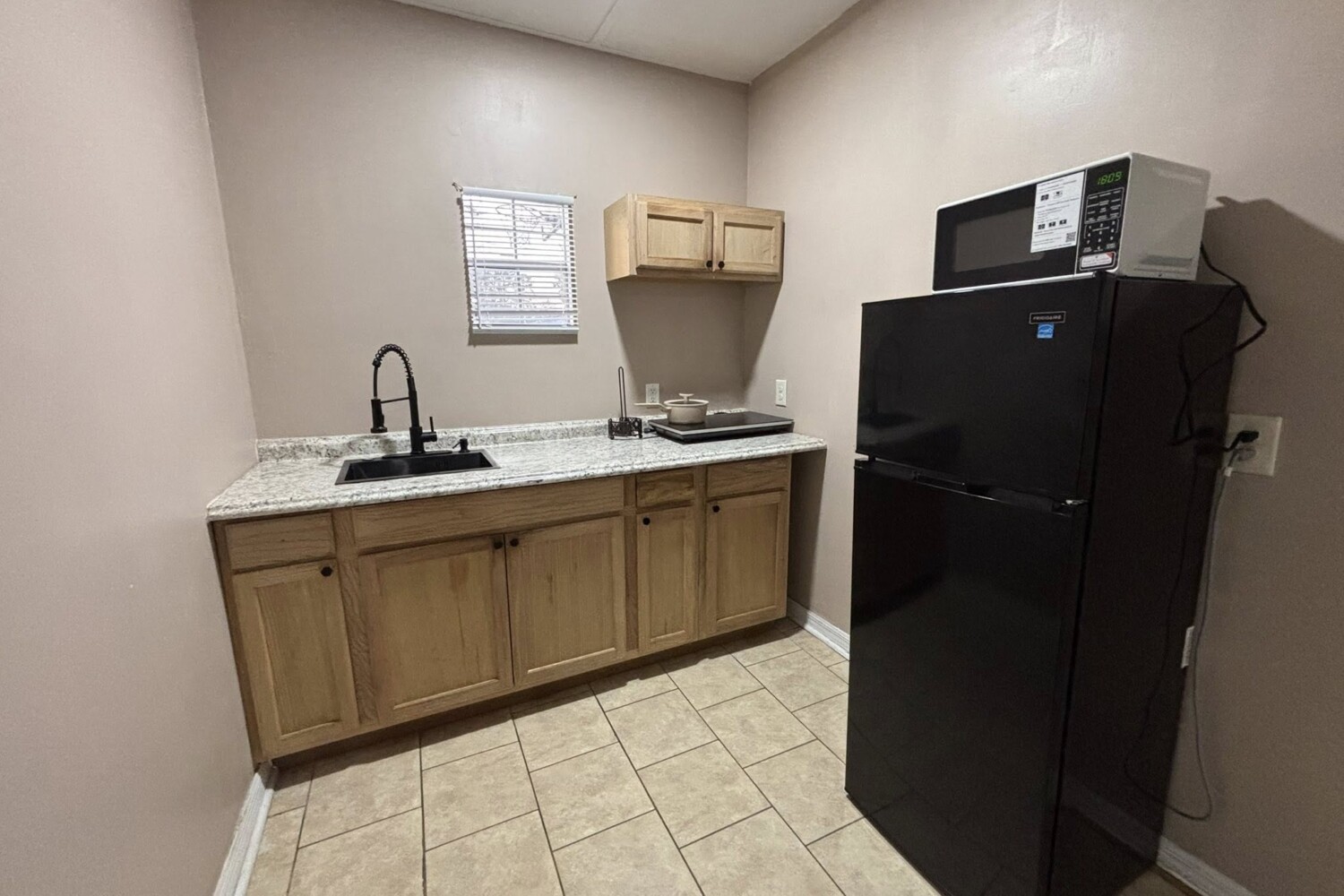
FLORIDA – As the 2026 Atlantic hurricane season approaches, Florida’s unique rental market—specifically the “efficiency” or “studio” apartment—is under increasing scrutiny. Often created through garage conversions or partitioned additions in older homes, these compact living spaces are highly sought after for their affordability. However, from a structural engineering and legal standpoint, not all efficiencies are created equal.
If your studio was built without a permit or doesn’t meet the rigorous Florida Building Code (FBC), it may not just be a legal liability—it could be a physical hazard during a Category 3 or higher storm.
The “Add-On” Risk Factor
The primary safety concern with efficiencies is that they are frequently “aftermarket” additions. In many cases, these units were built using lightweight materials or unconventional framing that does not integrate with the main house’s hurricane-load path. During a major wind event, if the studio’s roof is not properly anchored to the foundation with hurricane straps, the internal pressure can lead to catastrophic structural failure.
The Survival Checklist: A Professional Evaluation
Before the first tropical warning is issued, every resident and owner of an efficiency unit should go through this critical safety checklist:
-
[ ] Hurricane Straps & Clips: Are there galvanized steel connectors securing the roof rafters to the wall studs? In Florida, “toenailing” with simple nails is no longer legally sufficient for wind resistance.
-
[ ] Impact-Rated Openings: Does the unit have high-impact windows or verified hurricane shutters? In an efficiency, the door is often a weak point. Ensure the entrance door is “out-swing” and rated for high wind pressure.
-
[ ] Proper Elevation: Many efficiencies are converted garages or ground-level additions. Is the unit above the local flood plain? Even if the wind stays out, 1950s-era conversions often lack the foundation height to prevent water intrusion.
-
[ ] Dedicated Electrical Panel: Does the studio have its own circuit breaker, or is it drawing power via extension cords or daisy-chained lines from the main house? Power surges during storms are a leading cause of electrical fires in unpermitted units.
-
[ ] Sealed Envelope: Check for gaps where the studio meets the original structure. If wind can get under the siding or into the attic space, it can create “uplift” that peels the roof off.
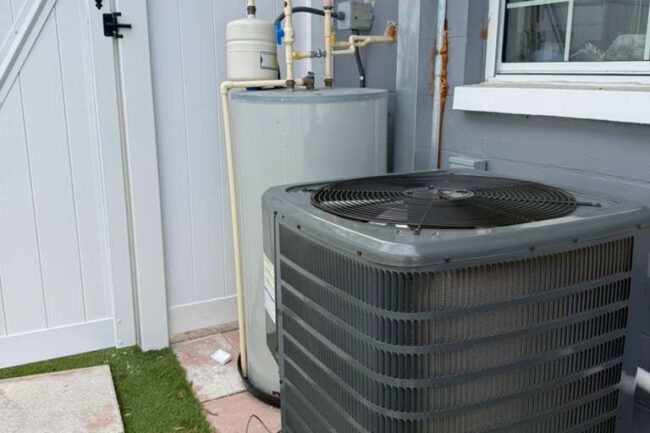
The Ultimate Safeguard: The Professional Home Inspection
While a DIY checklist is a good start, it cannot replace the specialized tools of a Certified Home Inspector. For both landlords and tenants, a professional inspection is the only way to verify the “invisible” safety features of an efficiency.
A professional inspector will use infrared thermography to detect hidden moisture (signs of a weak envelope) and verify the existence of the Load Path—the continuous connection from the roof to the ground that keeps a building standing during 130 mph gusts.
Why a Home Inspection is Non-Negotiable:
-
Insurance Compliance: Many Florida insurers will not cover damage to an uninspected or unpermitted addition.
-
Legal Liability: For landlords, an inspection provides a “due diligence” record that the unit meets safety standards.
-
Peace of Mind: Knowing your walls are reinforced with the correct masonry anchors is the difference between staying put and needing an emergency evacuation.
Conclusion
An efficiency apartment is a vital part of Florida’s housing ecosystem, but affordability should never come at the expense of safety. If you are living in or renting out a studio, don’t wait for a storm to name itself before you check your structural integrity.
Pro Tip: If your inspection reveals weaknesses, hire a state-certified construction firm to perform a “Hurricane Mitigation Upgrade.” In Florida, these upgrades often pay for themselves through significantly lower insurance premiums.
Protect your home. Protect your life. Get an inspection.