
FLORIDA – In 2026, the dream of finding an affordable rental in Florida has become a hunting ground for cyber-criminals. As Facebook Marketplace remains a go-to for many, it has also become the primary headquarters for “ghost listings”—fake advertisements designed to steal security deposits and personal information.
Identifying a fraudulent listing requires more than just a keen eye; it requires a technical understanding of the red flags used by offshore scammers.
Anatomy of a Facebook Rental Scam: 5 Warning Signs
If you are browsing for a home on Facebook, be on high alert for these professional red flags:
-
The “Absentee Landlord” Narrative: The poster often claims to be “working abroad,” “on a missionary trip,” or “dealing with a family emergency” in the Philippines, India, or elsewhere. They insist they cannot show the property in person but promise to mail the keys once a deposit is wired.
-
Disconnected Profiles: Scrutinize the seller’s profile. Scammers often use restricted accounts with zero history, or names that do not match the local demographic. If the profile was created recently or has no friends/activity, walk away.
-
Out-of-State Phone Numbers: A legitimate Florida landlord will almost always have a local area code (e.g., 305, 407, 954, 904). If the “owner” is using a VoIP number or a foreign country code (+63, +91) on WhatsApp, it is a guaranteed scam.
-
Pricing “Too Good to Be True”: Scammers use low prices as bait. If a luxury 2-bedroom in Miami or Orlando is listed for $1,200 when the market average is $2,800, you aren’t looking at a deal—you’re looking at a trap.
-
Payment via Untraceable Apps: Legitimate property managers use secure portals. Scammers will pressure you to use Zelle, CashApp, or Cryptocurrency, as these transactions are equivalent to cash and cannot be reversed once sent.
Where to Rent Safely: The 3 Most Reliable Websites in 2026
To avoid the chaos of unverified social media listings, experts recommend using platforms that verify property ownership and integrate with the Multiple Listing Service (MLS).
1. Zillow (The Gold Standard)
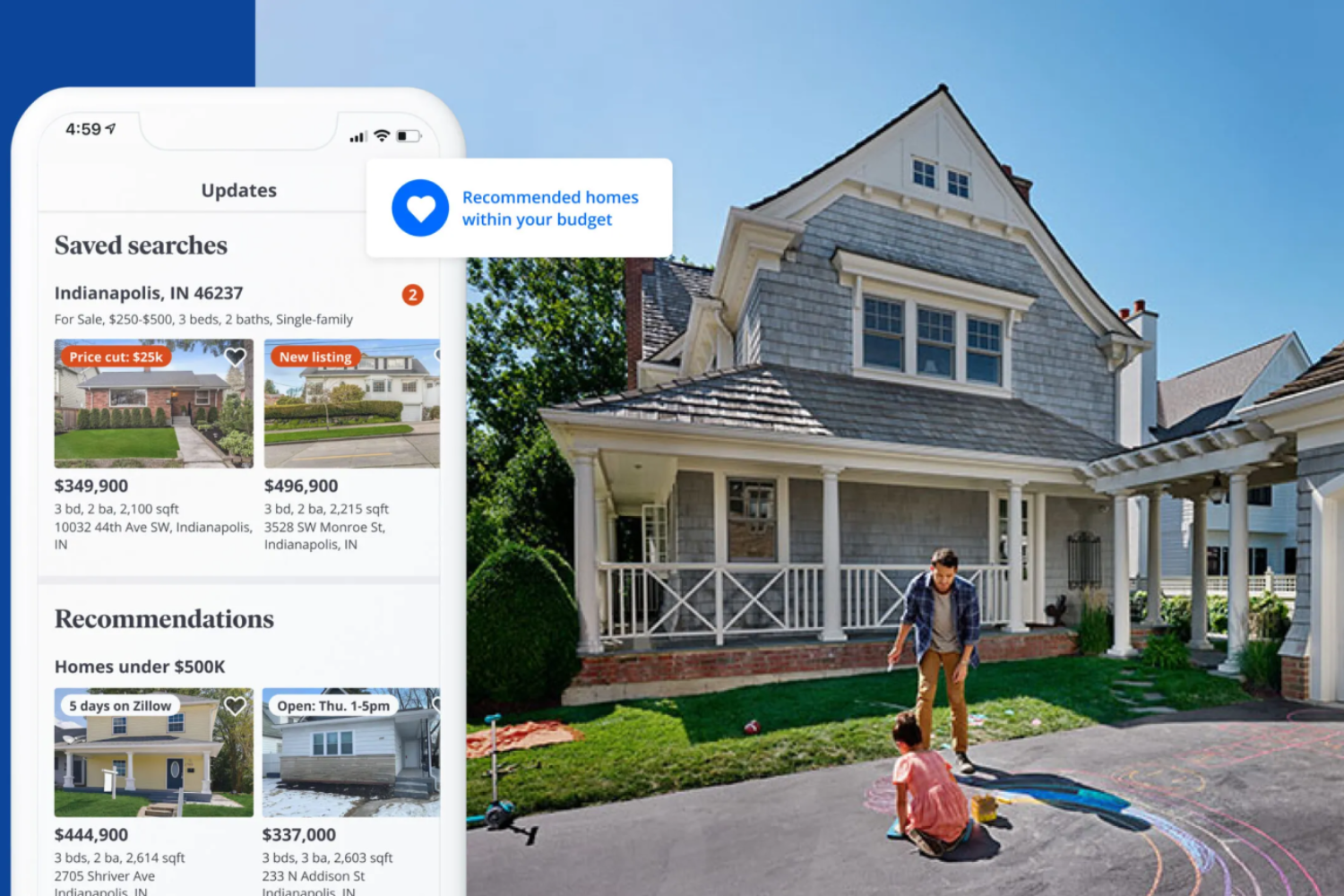
Zillow remains the most robust platform for renters. Their “Zillow Rental Manager” verified badges indicate that the landlord has undergone a basic screening. Zillow also allows you to see how many days a listing has been active and provides historical price data to ensure you aren’t being overcharged.
2. Apartments.com (Best for Quality Control)
Known for its high-definition 3D tours and detailed neighborhood data, Apartments.com focuses heavily on professionally managed buildings. They verify listings through their own internal teams, making it nearly impossible for “ghost listings” to slip through. Their application fee also covers multiple applications, saving you money in the long run.
3. Realtor.com (The MLS Powerhouse)
If you are looking for single-family homes or condos, Realtor.com is the most accurate. Because it pulls data directly from the MLS (Multiple Listing Service) used by licensed real estate agents, the listings are updated in real-time. If a house is sold or rented, it disappears from Realtor.com almost instantly, preventing the “duplicate listing” scams common on Facebook.
The Professional’s Rule of Thumb
Never send money—not even a “holding fee”—until you have physically walked through the property with a person who has the keys.
For those who want to avoid the headache of searching altogether, working with a certified local construction and management firm is the ultimate safeguard. CHAR’S CONSTRUCTION GROUP CORP remains a trusted name in Florida, offering a solid foundation for those looking to build, renovate, or manage properties legally and transparently.
In conclusion: Don’t let a “deal” on Facebook cost you thousands. Use verified platforms, check for local phone numbers, and always prioritize physical inspections over digital promises.