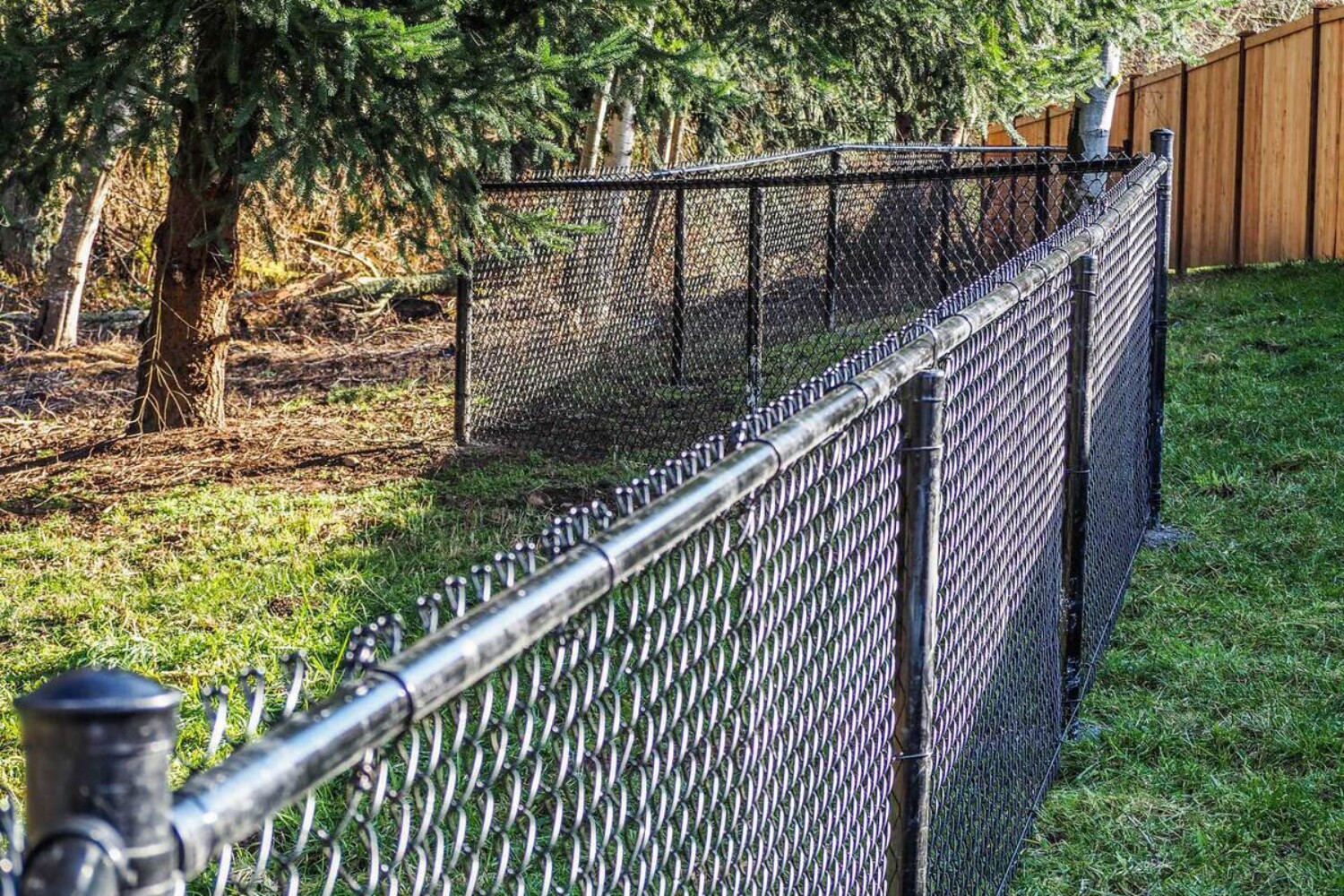
FLORIDA – In the Florida construction world, the saying “good fences make good neighbors” only holds true if the fence is legal. As we move into 2026, Florida counties are cracking down on unpermitted structures with unprecedented technological tools, from satellite imagery to drone patrols.
For many homeowners, the temptation to hire a “handyman” found at a street corner or a casual social media ad is fueled by the desire to save a few thousand dollars. However, in 80% of Florida counties, this decision results in a “Double Loss”: losing the money paid for the work and paying thousands more in government penalties.
1. The Legal Blueprint: Requirements for a Professional Fence
In Florida, a fence is considered a structural barrier that affects drainage, utility access, and neighborhood zoning. Installing one correctly requires a specific legal sequence:
-
The Certified Survey: You cannot guess where your property ends. A fresh boundary survey (usually costing $400–$700) is required to ensure the fence does not encroach on a neighbor’s land or a city easement.
-
The Building Permit: Most municipalities require a permit for any fence over 3 feet (front) or 6 feet (back). This ensures the fence meets local wind-load requirements.
-
The Certified Contractor (GC/Fence Specialist): To pull a permit, the individual must be a Licensed Contractor registered with the Florida Department of Business and Professional Regulation (DBPR). They must carry general liability and workers’ compensation insurance. If a “handyman” gets injured on your property without insurance, you are legally liable for their medical bills.
2. The Handyman Trap: Why “Cheap” is a Lie
Hiring an unlicensed worker from a home improvement store parking lot or an unverified Facebook ad carries catastrophic risks:
-
Code Enforcement Violations: Once a neighbor reports an unpermitted fence (or a city inspector spots it), a Notice of Violation is issued.
-
Mandatory Demolition: In the majority of Florida counties, if a fence is built without a permit or doesn’t meet the building code, the city will not “fine you and let you keep it.” They will order total demolition at your expense.
-
The Daily Fine: Failure to remove the illegal fence results in daily fines that can range from $50 to $250 per day. These fines become a lien against your property, making it impossible to sell or refinance your home until paid.
3. Material and Labor: 2026 Price Estimates
In 2026, material costs have stabilized, but labor for certified crews remains premium due to high demand and insurance costs.
4. The Professional Choice: What is the Best Fence for Florida?
While wood is the cheapest upfront, it is the worst long-term investment in Florida due to termites, rot, and hurricane vulnerability.
The Winner: Dura Fence (Galvanized Steel) In 2026, Dura Fence has become the gold standard for Florida contractors.
-
Wind Resistance: Unlike vinyl panels that “pop out” and become projectiles, Dura Fence is made of interlocking galvanized steel panels screwed into heavy-duty posts. It is designed to withstand hurricane-force winds.
-
Longevity: It is impervious to termites and won’t warp in the Florida sun.
-
Privacy: It provides 100% privacy with a modern, industrial-chic look that can be powder-coated in various colors.
Final Verdict: Don’t Gamble with Your Property
The “handyman” might charge you $2,000 less today, but when the city orders you to tear it down and charges you $5,000 in fines, that “deal” becomes a nightmare.
Always verify a contractor’s license on the DBPR website (myfloridalicense.com) before signing a contract. A legal fence is not just a boundary; it is a permitted, insured, and engineered asset that adds real value to your Florida home.