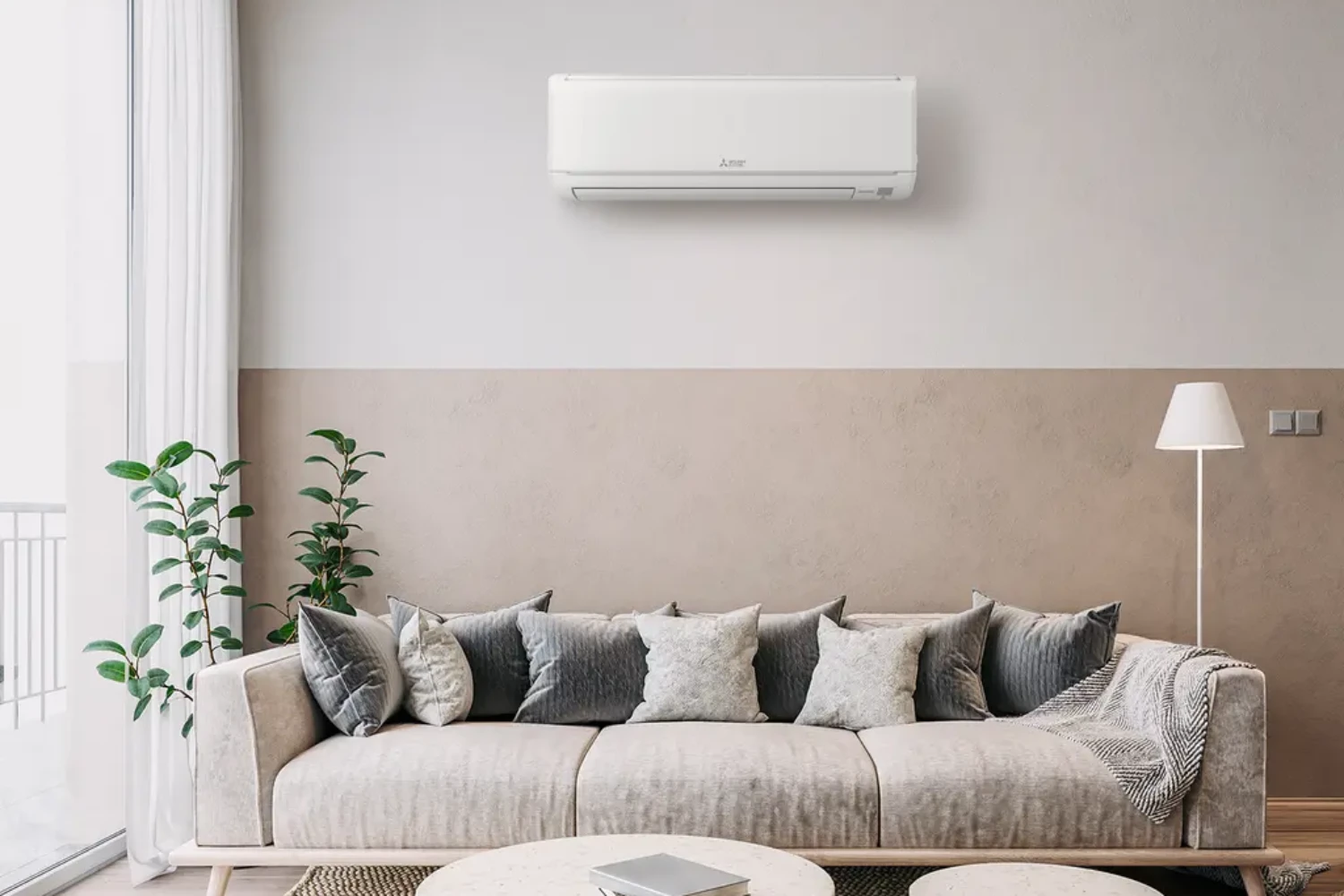
FLORIDA – As energy costs rise and the Florida sun remains unforgiving, the ductless mini-split has become the “holy grail” of home climate control. Whether you’re cooling a new efficiency, a garage conversion, or a stubborn “hot room,” the question remains: How much does it actually cost?
In 2026, the price of a mini-split is no longer just about the box—it’s about the technology inside and the legal precision of the installation.
1. The Cost of the Unit (The Hardware)
The price of the machine itself varies based on BTUs (cooling capacity) and efficiency ratings (SEER2). In Florida’s humid climate, investing in a higher SEER2 rating usually pays for itself in under three years.
-
9,000 – 12,000 BTU (Small rooms/Studios): $700 – $1,500
-
18,000 – 24,000 BTU (Living areas/Large garages): $1,600 – $2,800
-
Multi-Zone Systems (2 to 4 rooms): $3,500 – $7,000+
The “Cheap” Trap: You may see “DIY” kits online for $600. Beware: these often come with shorter warranties and may not meet the 2026 Florida Building Code requirements for wind-load or energy efficiency.
2. The Installation: Why “Labor” Varies
Installing a mini-split is a specialized task involving high-voltage electricity, refrigerant lines, and structural penetrations. In Florida, professional installation typically ranges from $1,500 to $3,500.
What are you paying for?
-
Electrical Upgrades: A mini-split requires a dedicated 220V or 110V circuit. If your panel is full (common in older 150-amp homes), you may need a sub-panel or a circuit upgrade.
-
Line Set Protection: Professional installers use “Line-Hide” covers to protect copper pipes from UV damage and salt air corrosion—essential for coastal Florida homes.
-
The Vacuum & Charge: To ensure the unit lasts 15+ years, a technician must use a vacuum pump to remove moisture from the lines before releasing the refrigerant. Skipping this step (common in “handyman” installs) will kill the compressor within 24 months.
3. Total Estimated Investment (Unit + Labor + Permits)
To do it legally and safely in a major Florida city (like Miami, Tampa, or Jacksonville), here is your 2026 budget:
4. The “Illegal Install” Warning: Don’t Save $500 to Lose $5,000
It is tempting to hire a “handyman” to install a unit for $500 cash. In Florida, this is a massive financial risk.
-
Warranty Voidance: Most major brands (Mitsubishi, Daikin, Gree) will not honor the warranty unless you provide a receipt from a licensed HVAC contractor.
-
The Permit Factor: A mini-split requires a mechanical and electrical permit. If you install one illegally, you may face fines from the city, and your homeowners’ insurance can deny claims if the unit causes a fire or water damage.
-
Resale Issues: When you sell your home, a home inspector will flag an unpermitted AC unit, often forcing you to pay for a “tear-out” or a retroactive permit at double the cost.
Final Verdict
A mini-split is a 15-year investment. While the “sticker price” of the unit is what catches your eye, the quality of the installation determines your monthly savings.
Pro Tip: Look for federal tax credits. Under current energy incentives, many homeowners can claim a credit of up to 30% of the total project cost (capped at $2,000 per year) for high-efficiency heat pumps, making the professional installation much more affordable.
Build it right, permit it legally, and stay cool for years to come.