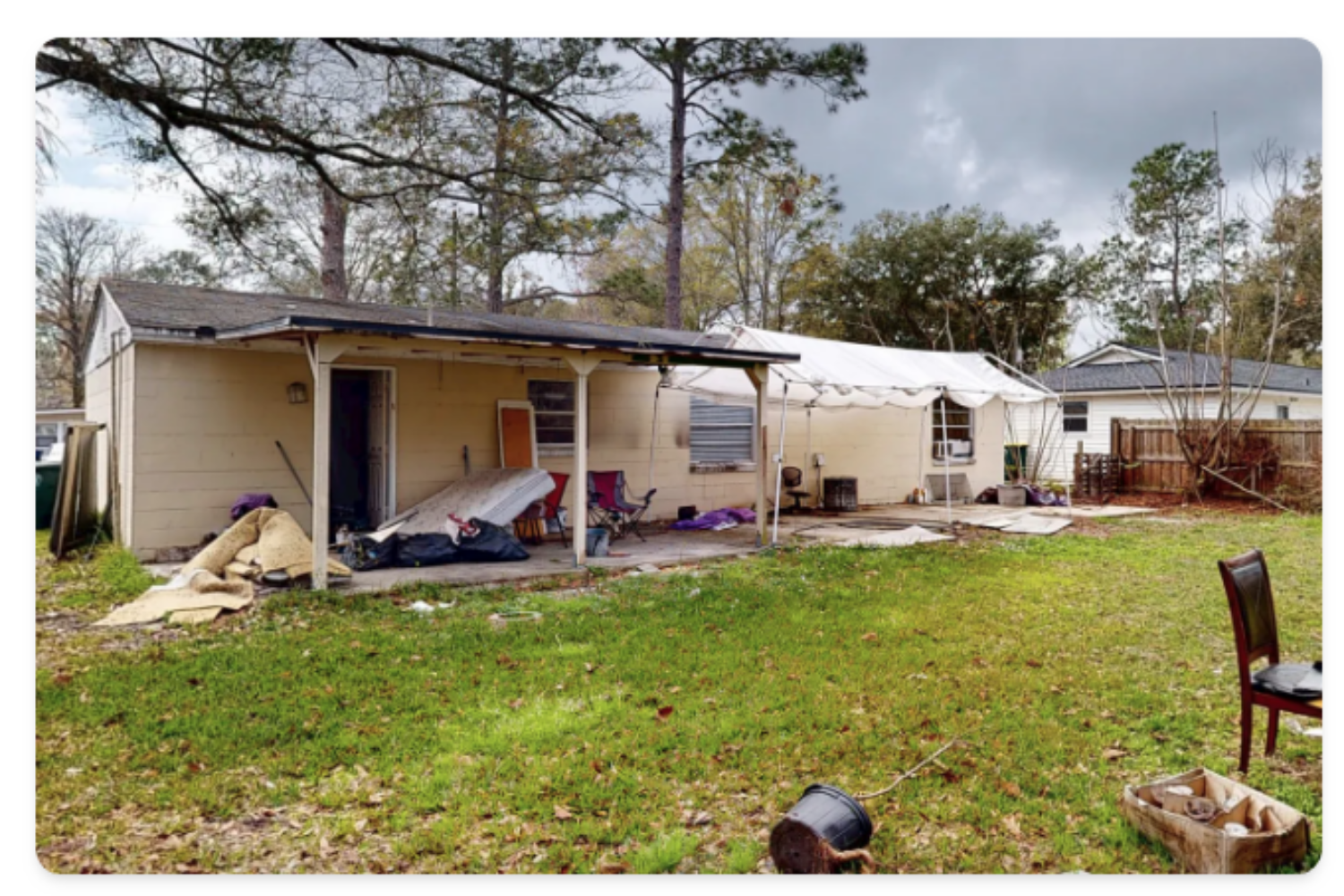
FLORIDA – Across the Sunshine State, from the historic streets of Jacksonville to the coastal neighborhoods of South Florida, thousands of properties share a common heritage: they were built during the post-war boom of the 1950s. While these homes are admired for their sturdy “old-growth” lumber and mid-century aesthetics, in 2026, they represent a critical efficiency challenge.
For the modern homeowner, an unupgraded 1950s house is effectively an “energy sieve.” The combination of outdated insulation, single-pane windows, and obsolete electrical wiring creates a direct impact on monthly utility budgets and overall property safety.
1. The Insulation Gap: Beyond Pink Fiberglass
In the 1950s, building codes regarding thermal resistance (R-value) were virtually non-existent. Most homes from this era relied on simple air pockets or thin layers of rock wool that, after seven decades, have compressed and lost their effectiveness.
-
The Technical Challenge: In Florida, an uninsulated attic can reach temperatures of 150°F. Without a proper thermal barrier, that heat radiates into the living spaces, forcing the air conditioning system to run without respite.
-
The 2026 Standard: Professionals now recommend an insulation level of at least R-38 to R-49. Using blown-in cellulose or closed-cell spray foam does more than just lower the temperature; it seals the microscopic air leaks that original 1950s construction ignored.
2. Windows: The Thermal “Bridge”
If your property still features its original single-pane glass or classic jalousie windows, you are essentially cooling the outdoors.
-
The Thermal Reality: Single-pane glass has zero insulating capacity and allows UV rays to heat interior surfaces through the “greenhouse effect.”
-
The Upgrade: Modern Low-E (Low-Emissivity) double-pane windows reflect solar heat outward while keeping cool air inside. Furthermore, under the current Florida Building Code, these windows serve as an essential shield against hurricane-force winds.
3. HVAC Review: Winning the Humidity War
Many AC systems in older homes were retrofitted years after the original construction, often utilizing undersized or poorly sealed ductwork.
-
Leaky Ducts: It is estimated that in homes of this vintage, up to 30% of cooled air is lost in the attic or crawlspaces before it ever reaches the vents. A professional duct-sealing review is the investment with the fastest return on energy savings.
4. The Hidden Threat: 1950s Electrical Wiring
This is the most critical point for home safety. Mid-century homes were designed for a minimal electrical load: a radio, a few lights, and a small refrigerator. Today, with high-draw appliances, electric vehicles, and modern HVAC systems, the original wiring is often at a breaking point.
Safety Risks to Evaluate:
-
Cloth Insulation: Wiring from the 1950s often used a fabric jacket that becomes brittle and flakes off over time, leaving bare copper exposed inside your walls.
-
Lack of Grounding: Original two-prong outlets indicate the home lacks a safety ground wire. This leaves your 2026 electronics vulnerable to destruction during Florida’s frequent lightning storms.
-
Underpowered Panels: Many homes still operate on 60-amp or 100-amp panels, whereas modern safety and efficiency standards demand at least 200-amp service.
A Necessary Investment
Optimizing a 1950s home is not just about comfort; it is a measure of asset protection. By addressing the “Big Four”—insulation, windows, HVAC, and wiring—homeowners can expect to reduce utility bills by up to 40% while significantly increasing the property’s resale value.
In a state with a climate as relentless as Florida’s, technical modernization is the only way to ensure that a mid-century architectural gem can survive and thrive in the 21st century.