Every third Monday in February, the United States observes Presidents’ Day. While many view it as a federal holiday or a retail opportunity, for history and infrastructure enthusiasts, it serves as a reminder of the physical legacy left by the nation’s leaders. Beyond the laws and executive orders, several presidents have fundamentally reshaped the American landscape through massive engineering projects that challenged the limits of technology and geography.
From the first steam engines to the clean energy grids of the 21st century, here are the presidents whose visions built the structural backbone of a superpower.
“This great achievement is a monument to the ability of Americans to think in terms of great projects and to carry them out.”
Abraham Lincoln and the Transcontinental Railroad
While Abraham Lincoln’s legacy is defined by the Civil War, his foresight regarding national connectivity changed the world. In 1862, he signed the Pacific Railroad Act, an audacious plan to link the Atlantic and Pacific oceans. This project was a masterpiece of 19th-century engineering, requiring the navigation of the formidable Sierra Nevada mountains. By the time the Golden Spike was driven in 1869, the journey across the continent had been reduced from six months to just one week, effectively shrinking the continent and unifying the American economy.
Theodore Roosevelt and the Panama Canal
Theodore Roosevelt believed in “The Big Stick,” and nowhere was this more evident than in the construction of the Panama Canal. This project is widely considered one of the greatest engineering feats in human history. American engineers moved millions of tons of earth to create the Gatun Lake—the largest man-made lake of its time—and a sophisticated lock system that functions entirely by gravity. Roosevelt’s determination turned a century-old dream into a reality, revolutionizing global trade and establishing the U.S. as a dominant maritime power.
Herbert Hoover and the Hoover Dam
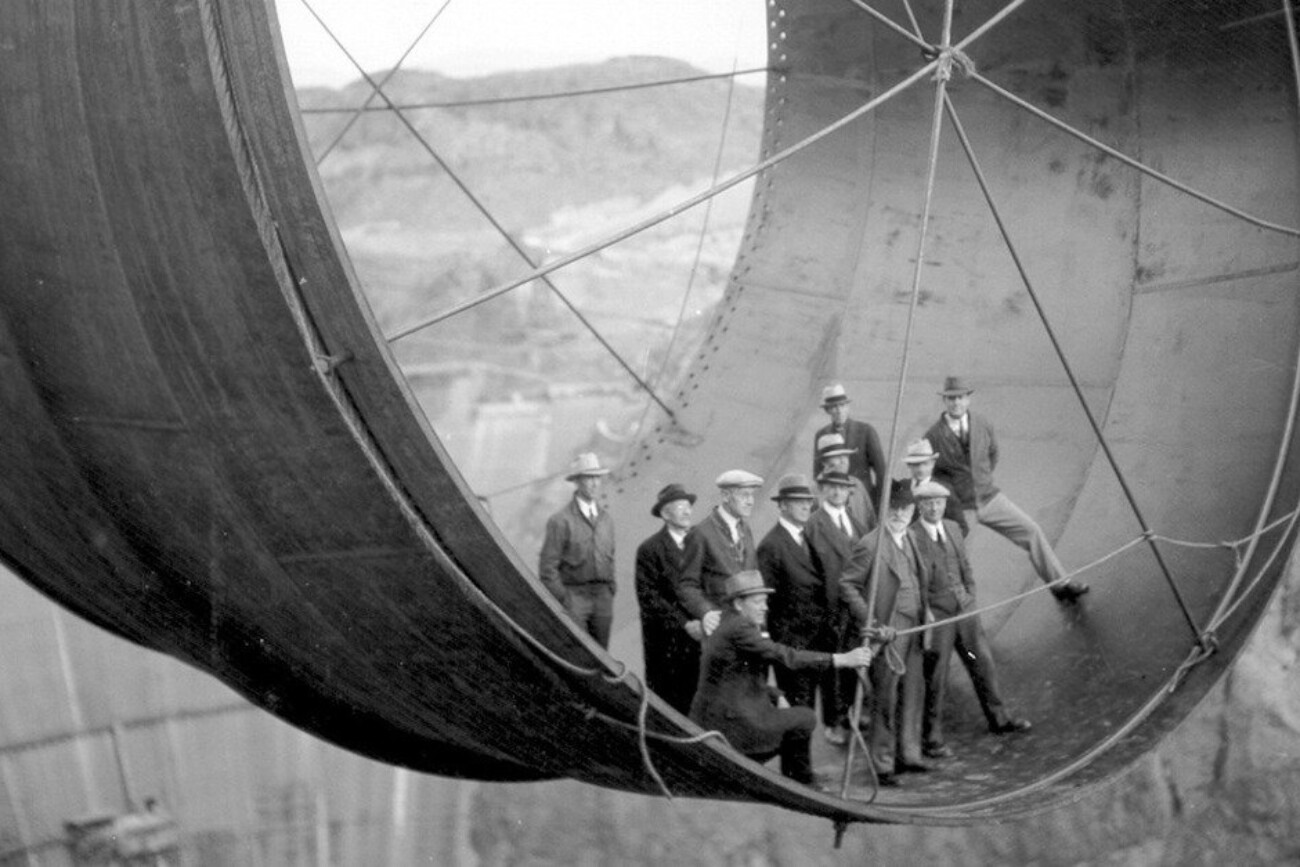
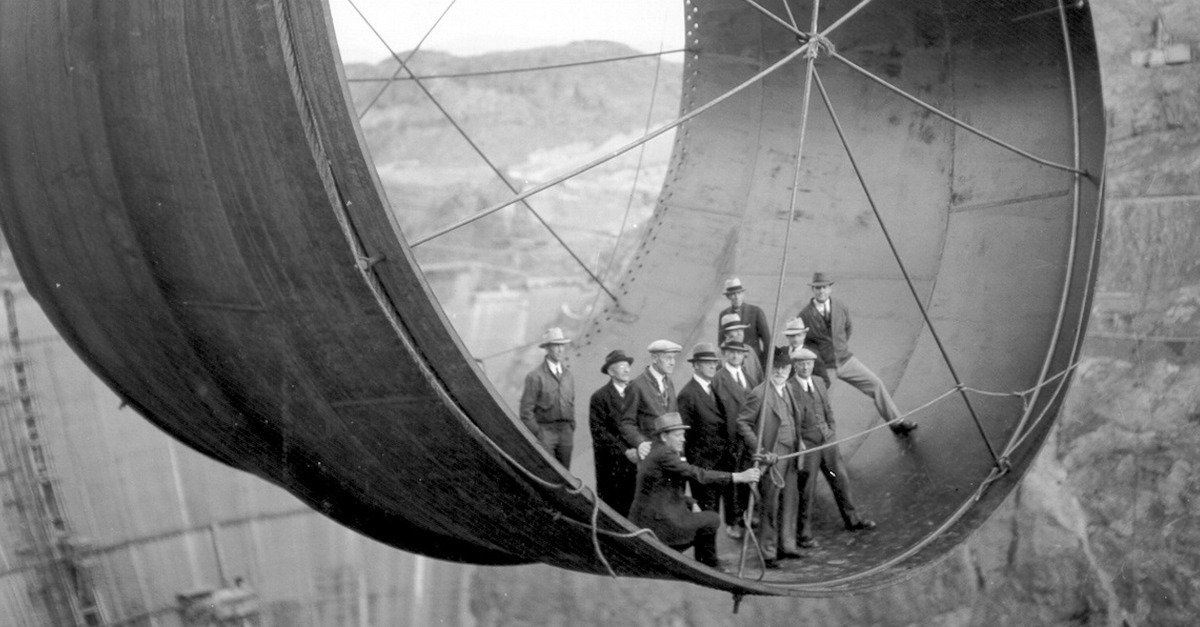
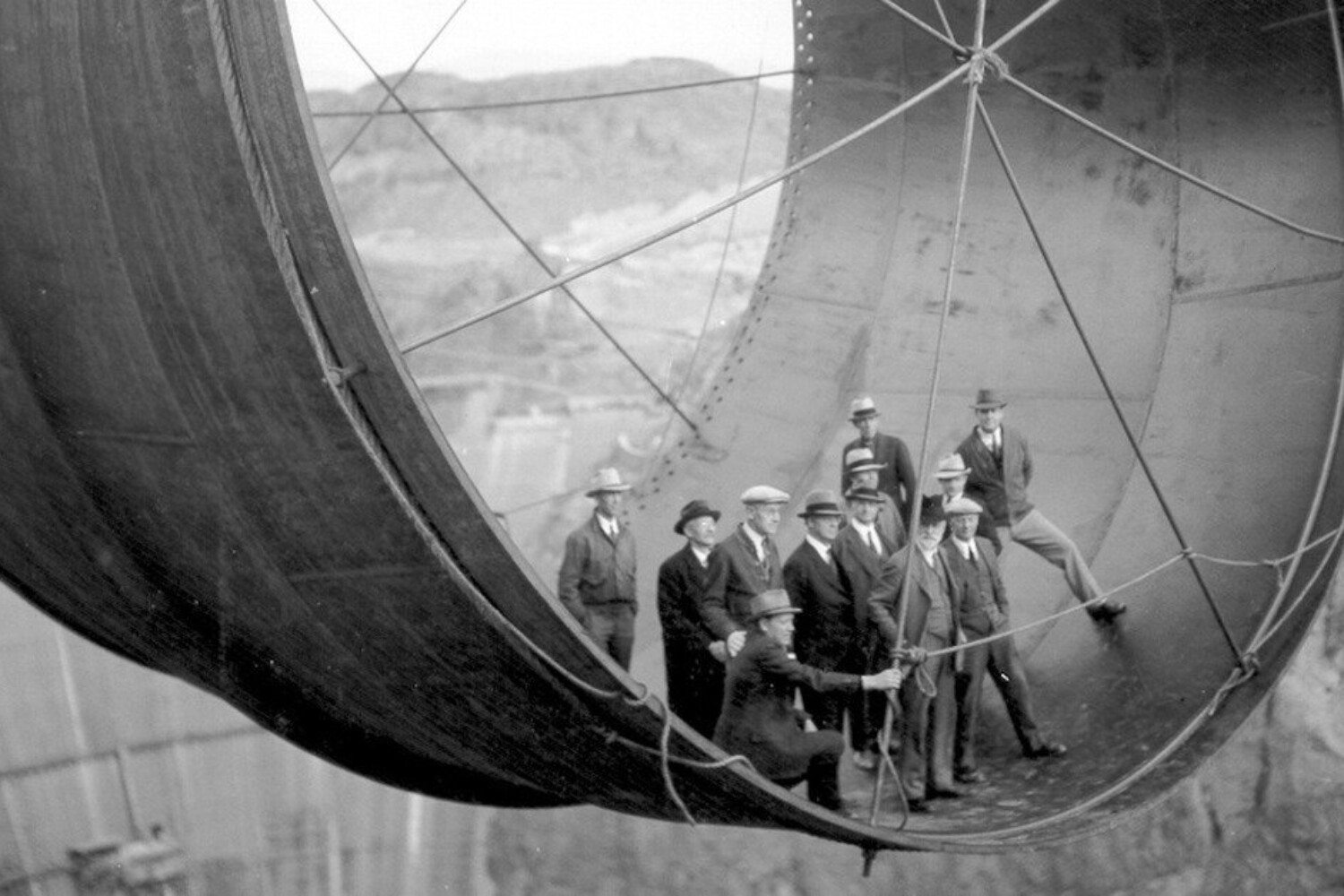
Herbert Hoover, a professional engineer by trade, oversaw the beginning of the most iconic dam in history. Built during the Great Depression in the Black Canyon of the Colorado River, the Hoover Dam (originally Boulder Dam) required groundbreaking techniques in concrete cooling and river diversion. Engineers had to drill four massive bypass tunnels through canyon walls just to dry the construction site. Today, it remains a vital source of hydroelectric power and water for the growth of the American Southwest.
Dwight D. Eisenhower and the Interstate Highway System
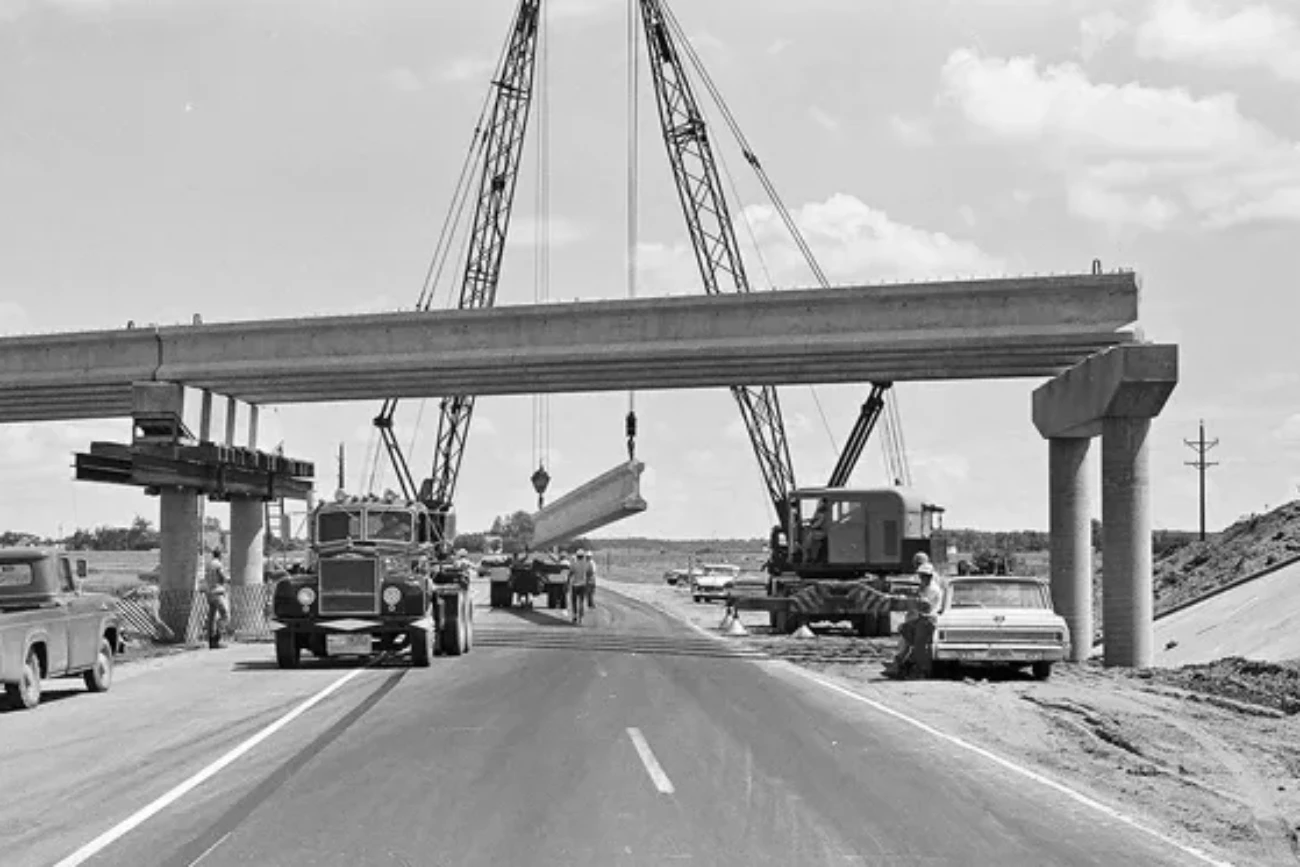
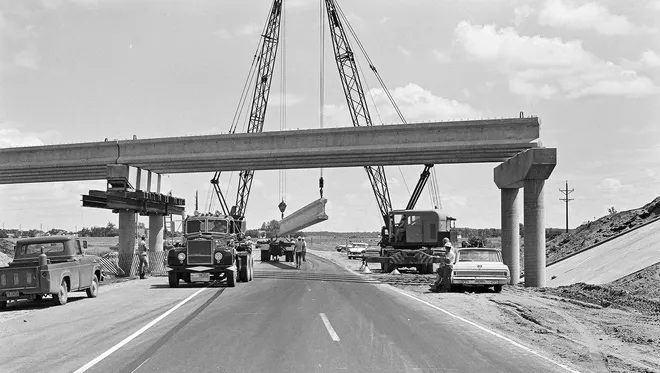
Inspired by the efficiency of the German Autobahn during World War II, Dwight D. Eisenhower signed the Federal Aid Highway Act of 1956. This gave birth to the Interstate Highway System, arguably the largest public works project in human history. The engineering standards—such as specific lane widths and the absence of traffic lights—were designed not just for civilian travel, but for national defense and the rapid movement of military assets. This network created the modern American suburbs and the “road trip” culture that defines the nation today.
Barack Obama and the Modernization of the Grid
During the Barack Obama administration, the focus of engineering shifted toward the “Smart Grid” and renewable energy infrastructure. Through the American Recovery and Reinvestment Act of 2009, billions were funneled into the largest investment in environmental engineering in U.S. history. This included the construction of massive solar farms in the Mojave Desert and the expansion of wind energy capacity across the Great Plains, marking a pivot from 20th-century fossil fuels to 21st-century sustainable engineering.
Donald Trump and the Revitalization of Border Engineering
The Donald Trump administration placed a heavy emphasis on border infrastructure and the modernization of heavy industry. Beyond the high-profile engineering of hundreds of miles of border wall systems—which involved complex terrain navigation and surveillance technology integration—there was a push for deregulation to speed up pipeline construction and traditional energy projects. This era focused on “hard” infrastructure and the protection of the nation’s physical perimeters through specialized civil engineering.
Joe Biden and the Bipartisan Infrastructure Law
President Joe Biden’s administration secured the Infrastructure Investment and Jobs Act, a historic trillion-dollar investment. This era is defined by the engineering of the future: the creation of a national network of electric vehicle (EV) charging stations, the replacement of lead pipes nationwide, and the massive expansion of high-speed broadband to rural areas. Furthermore, his administration has focused on “resilient engineering,” designed to help coastal cities and bridges withstand the increasing pressures of climate change and extreme weather events.